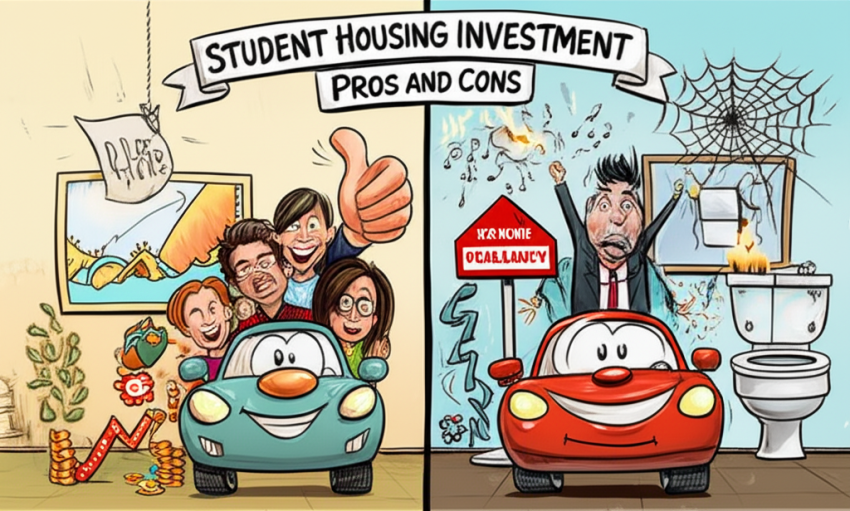

Unlocking Potential: A Comprehensive Guide to Student Housing Investment – Pros and Cons
The world of real estate investment is vast and varied, offering numerous avenues for capital growth and steady income. Among these, student housing has emerged as a particularly compelling, yet often misunderstood, niche. As global higher education continues to expand, driven by increasing enrollment numbers and the internationalization of universities, the demand for quality, affordable student accommodation remains robust. This sustained demand positions student Housing Investment as an attractive proposition for many investors.
However, like any investment, student housing comes with its own unique set of advantages and challenges. Understanding these intricacies is paramount for anyone considering dipping their toes into this specialized market. From consistent rental yields to the complexities of tenant management, a comprehensive grasp of both the pros and cons is essential for making an informed and ultimately successful investment decision.
This article aims to provide a detailed exploration of student housing investment, dissecting its potential benefits and inherent risks. We will delve into the market dynamics, operational considerations, and strategic insights to help you determine if this niche real estate sector aligns with your investment goals and risk tolerance.
Understanding the Student Housing Market Dynamics
Before diving into the pros and cons, it’s crucial to understand the landscape of student housing. This sector primarily caters to university and college students, ranging from undergraduates to postgraduates, both domestic and international. The market is broadly categorized into:
- Traditional Rental Properties: Standard houses or apartments rented out to a group of students. These often operate as Houses in Multiple Occupation (HMOs) in many regions.
- Purpose-Built Student Accommodation (PBSA): Large-scale, professionally managed complexes designed specifically for students, offering various amenities like gyms, common rooms, and study areas.
- Individual Units within PBSA: Investors can sometimes purchase individual rooms or apartments within a larger PBSA development, managed by the development company.
The demand drivers for student housing are unique: university enrollment numbers, the reputation of local educational institutions, the influx of international students, and the availability (or lack thereof) of on-campus housing. These factors create a distinct market cycle, often tied to the academic year.
The Pros of Student Housing Investment: Why It Attracts Investors
Investing in student housing offers several compelling advantages that make it an attractive option for a diverse range of investors.
1. High and Consistent Demand
Education is a perennial pursuit, and students will always need a place to live. Universities consistently report high enrollment numbers, ensuring a steady pipeline of potential tenants. Unlike general residential markets that can fluctuate with economic cycles, the demand for student accommodation tends to remain robust, even during downturns, as education is often seen as a recession-proof investment by individuals and families.
2. Attractive Rental Yields
Student properties often generate higher rental yields compared to standard residential properties. This is primarily because they are frequently rented by the room rather than as a single unit, especially in HMO setups. For instance, a four-bedroom house rented to four individual students at £400 per room might generate £1,600 per month, which could be significantly higher than renting the entire property to a single family for £1,200. This per-room rental model maximizes income potential.
3. Resilience Against Economic Downturns
As mentioned, the education sector tends to be more resilient during economic slumps. When job markets tighten, more people often opt for higher education to upskill or reskill, inadvertently increasing university enrollment and, consequently, the demand for student housing. This counter-cyclical nature provides a degree of stability that other real estate sectors might lack.
4. Predictable Lease Cycles
Student rental agreements are typically structured around the academic year, often running for 9-12 months. This predictability allows landlords to plan for tenancy renewals, marketing efforts, and maintenance schedules well in advance. While it means annual tenant turnover, it also offers a clear window for property upkeep and rent adjustments.
5. Potential for Capital Appreciation
Like any well-located real estate, student housing properties, particularly those in close proximity to popular universities, can appreciate significantly over time. Proximity to educational institutions often means desirable locations with good infrastructure, public transport links, and local amenities, all of which contribute to long-term property value growth.
6. Diversification for Investment Portfolios
For investors looking to diversify their real estate holdings, student housing offers a distinct asset class. Its unique demand drivers and market cycles can help balance a portfolio, reducing overall risk exposure by not having all investments tied to a single market segment.
The Cons and Challenges of Student Housing Investment: The Downsides to Consider
While the advantages are significant, student housing investment is not without its challenges. Investors must be prepared for these potential hurdles.
1. Intensive Property Management
One of the most significant drawbacks is the high intensity of property management required. With annual tenant turnover and often multiple tenants per property, there’s more administrative work involved: drafting new leases, conducting move-in/move-out inspections, and handling deposits. Students, especially those living away from home for the first time, may require more guidance and assistance, leading to increased communication and management demands.
2. Higher Wear and Tear
Students, by virtue of their age and lifestyle, can sometimes cause more wear and tear on a property than long-term family tenants. Parties, accidental damage, and less meticulous cleaning can lead to higher maintenance costs and more frequent repairs or refurbishments between tenancies. Budgeting adequately for these eventualities is crucial.
3. Vacancy Periods and Income Gaps
While lease cycles are predictable, they often lead to planned vacancy periods, particularly during summer holidays. If a property is not rented for the full 12 months, investors must account for potential income gaps, which can impact overall profitability. Strategic marketing to secure summer tenants or accepting slightly lower rents for longer leases can mitigate this, but it remains a risk.
4. Regulatory and Licensing Complexities
Many regions have specific regulations for properties rented to multiple, unrelated individuals (HMOs). These can include stringent licensing requirements, safety standards (fire safety, gas safety, electrical checks), and minimum room sizes. Non-compliance can lead to hefty fines and legal issues. Staying abreast of local legislation is a continuous responsibility.
5. Competition from Purpose-Built Student Accommodation (PBSA)
The rise of modern PBSA developments presents significant competition. These facilities often boast state-of-the-art amenities, all-inclusive bills, and professional management, which can be highly attractive to students. Private landlords must differentiate their offerings through competitive pricing, excellent service, or unique property features to stand out.
6. Parental Involvement and Guarantor Requirements
Many student tenants will require a parent or guardian to act as a guarantor for their lease, especially if they don’t have a stable income. While this provides an added layer of financial security, it can also complicate the tenant screening process and potentially involve more parties in any disputes or payment issues.
7. Initial Investment and Financing Challenges
Securing financing for student housing, especially HMOs, can sometimes be more complex than for standard residential properties. Lenders may view them as higher risk due to tenant turnover and management intensity. The initial investment, particularly for properties near universities in prime locations, can also be substantial.
Key Factors for Success in Student Housing Investment
To navigate the challenges and maximize the pros, successful student housing investors often focus on these key strategies:
- Location is Paramount: Proximity to universities, public transport, and student amenities (shops, entertainment) significantly boosts desirability and rental potential.
- Robust Property Management: Whether self-managed or outsourced, efficient management is critical. This includes thorough tenant screening, prompt maintenance, clear communication, and proactive lease management.
- Understanding Your Target Audience: Tailor your property features, furnishings, and marketing to the specific student demographic (e.g., undergraduates vs. postgraduates, international students).
- Compliance and Regulations: Stay updated on all local and national housing regulations, especially those pertaining to HMOs.
- Budget for Contingencies: Always have a reserve fund for unexpected repairs, maintenance, and potential vacancy periods.
- Value-Add Opportunities: Consider offering amenities like high-speed internet, inclusive utility bills (within reason), or furnished rooms to attract and retain tenants.
Is Student Housing Investment Right for You?
Student housing investment offers a unique blend of high demand, attractive yields, and relative market resilience. However, it demands a hands-on approach to management, a willingness to navigate specific regulatory landscapes, and an acceptance of potentially higher wear and tear.
Before committing, prospective investors should conduct thorough due diligence. Research local university enrollment trends, assess the competitive landscape, understand all regulatory requirements, and realistically evaluate their capacity for property management. If you are prepared for the operational demands and have a strategic approach, student housing can be a highly rewarding addition to your real estate portfolio, providing consistent income and long-term capital growth in a dynamic and ever-evolving market.